

Siemens Healthineers Launches Brain Health Research Portfolio with First Biomarker Assays Now Available
Brain-derived, fully automated Atellica IM Phosphorylated tau 217 (pTau217) and Atellica IM Brain Derived Tau (BDTau) assays now available for research use
Tarrytown, New York, USA, March 18, 2026 (GLOBE NEWSWIRE) --
- Research assays help generate evidence about whether biomarkers can advance disease management
- Novel RUO tests can help scientists understand neurological function and disease progression
- Collaborative research is underway to translate scientific discovery into actionable evidence
Siemens Healthineers announced today its offerings for brain health research are expanding, with the brain-derived, fully automated Atellica IM Phosphorylated tau 217 (pTau217) and Atellica IM Brain Derived Tau (BDTau) assays now available for research use1. Every year, there are nearly 10 million new cases of dementia diagnosed worldwide2. Alzheimer’s disease is the most common, contributing to 60–70% of cases, though it affects many more people over time as these individuals become adversely impacted and increasingly dependent on others for their care2.
The blood tests from Siemens Healthineers offer researchers chemiluminescent immunoassays to provide a quantitative measurement of brain-derived phosphorylated tau 217 (p-tau217) and Brain Derived Tau (BD tau) and are run on the widely installed Atellica Solution IM and Atellica CI Analyzers. Blood-based biomarker testing offers a less-invasive method compared to cerebrospinal fluid which requires a lumbar puncture.
“Siemens Healthineers is laser focused on expanding researchers’ access to blood testing that can reduce the burden of invasive testing to better understand these diseases and help address the growing societal impact of neurodegenerative conditions,” said Jim Freeman, head of Core Laboratory Solutions R&D for Diagnostics at Siemens Healthineers. “Our Atellica IM instrument enables the high sensitivity required to detect neurological biomarkers in blood.”
“Analyzer engineering is very important for amplifying the signal we need to achieve reliable results using blood tests,” said Henrik Zetterberg, MD, PhD, an internationally renowned neuroscientist known for his pioneering research on biomarkers of Alzheimer’s disease and other neurodegenerative disorders. “Blood tests are much easier for both patients and doctors—you can scale testing, follow patients, or perhaps prepare a biomarker portfolio.”
Contributions to scientific innovation
Siemens Healthineers is involved in several research collaborations to advance earlier detection and characterization of neurological diseases with p-tau217 and BD tau biomarkers3-5. Notably, multi-cohort research studies are underway with PREDICTOM, ACCESS-AD, and Banner Sun Health Research Institute.
“We value the opportunity to work with the leading diagnostics companies to advance the fight against Alzheimer’s disease, and this is a great example,” said Nicholas Ashton, PhD, senior director of the Fluid Biomarker Program at Banner Sun Health Research Institute in Arizona. "We're working to validate the clinical utility of the plasma p-tau217 biomarker across diverse patient populations to advance early detection of Alzheimer's disease. Our findings appear to support the promise of this Alzheimer’s blood biomarker in the clinical setting. We look forward to further advancing this research.”
Other brain health biomarkers
In addition to the Atellica IM pTau217 and Atellica IM BDTau RUO assays, Siemens Healthineers offers a Neurofilament Light Chain assay (with CE mark)6 to help predict the risk of future Multiple Sclerosis disease activity. Development efforts are underway to offer additional biomarkers, including Apolipoprotein E-ε4 (ApoE-ε4), a protein involved in the metabolism of fats and a subtype that is implicated in Alzheimer's disease and cardiovascular diseases. Researchers can stay updated about these offerings here.
1 For research use only. Not for use in diagnostic procedures. These assays are intended to support scientific investigation and are not cleared or approved for clinical decision‑making.
2 World Health Organization Dementia Fact Sheet
3 Siemens Healthineers Co-Leads EU Alzheimer’s Disease Care Initiative
4 Oberstein, T. (2026, March) Brain-derived pTau217 in plasma outperforms pTau217 and brain-derived tau assays for identifying Alzheimer´s disease (A+T1+) in MCI/mild dementia, [E-poster presentation]. AD/PD. Copenhagen, Denmark.
5 Prediction of Alzheimer’s disease using an AI driven screening platform
6 CE0197. Available for Research Use Only in the U.S.
Siemens Healthineers pioneers breakthroughs in healthcare. For everyone. Everywhere. Sustainably. The company is a global provider of healthcare equipment, solutions and services, with activities in more than 180 countries and direct representation in more than 70. The group comprises Siemens Healthineers AG, listed as SHL in Frankfurt, Germany, and its subsidiaries. As a leading medical technology company, Siemens Healthineers is committed to improving access to healthcare for underserved communities worldwide and is striving to overcome the most threatening diseases. The company is principally active in the areas of imaging, diagnostics, cancer care and minimally invasive therapies, augmented by digital technology and artificial intelligence. In fiscal 2025, which ended on September 30, 2025, Siemens Healthineers had approximately 74,000 employees worldwide and generated revenue of around €23.4 billion. Further information is available at siemens-healthineers.com.
Contact Info
Kimberly Nissen
kimberly.nissen@siemens-healthineers.com
+1 610-241-2129
Attachments


Brain Image
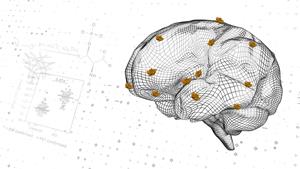
Siemens Healthineers announced today its offerings for brain health research are expanding, with the brain-derived, fully automated Atellica IM Phosphorylated tau 217 (pTau217) and Atellica IM Brain Derived Tau (BDTau) assays now available for research use.
Legal Disclaimer:
EIN Presswire provides this news content "as is" without warranty of any kind. We do not accept any responsibility or liability for the accuracy, content, images, videos, licenses, completeness, legality, or reliability of the information contained in this article. If you have any complaints or copyright issues related to this article, kindly contact the author above.
